

It’s natural for your exercise routine to change over time. There are certain times in your life when you might be drawn to high-intensity workouts. Other times, your body might crave more gentle movement, like yoga or Pilates. What’s most important is consistently doing something.
“Exercise is medicine. It is highly underestimated, yet one of the most effective tools for staying independent and mobile as we age, minimizing risks for various chronic diseases, therefore improving quality of life,” says Dr. Veena Chawla, an internal medicine and sports medicine physician with Kaiser Permanente in Virginia.
Chawla emphasizes that it’s never too late to start exercising, either. In fact, regular exercise is key to supporting your body as you age.
“Exercise in general benefits people of all ages, including older adults, and may decrease the incidence or slow the worsening of chronic diseases and increase longevity,” says Dr. Faith D. Atai, a geriatrician with UTHealth Houston.
While all forms of exercise are beneficial, there’s one move that can be especially helpful when it comes to aging well.
‘Miracle’ movement
We talked to five doctors and two personal trainers about how to exercise in a way that supports aging. All seven experts said an ideal exercise routine includes a mix of aerobic exercise and strength training.
Dr. Stephanie Rogers, a geriatrician and professor of medicine at the University of California, San Francisco, points out that the body naturally loses muscle and bone density with age.
“As we age, falling hormone levels, low-grade inflammation, aging cells, moving less and not eating enough protein all push our bodies to break down muscle and bone faster than we rebuild them. Because muscle and bone work as a team, losing one speeds the loss of the other, but staying active and lifting weights can help protect both,” she says.
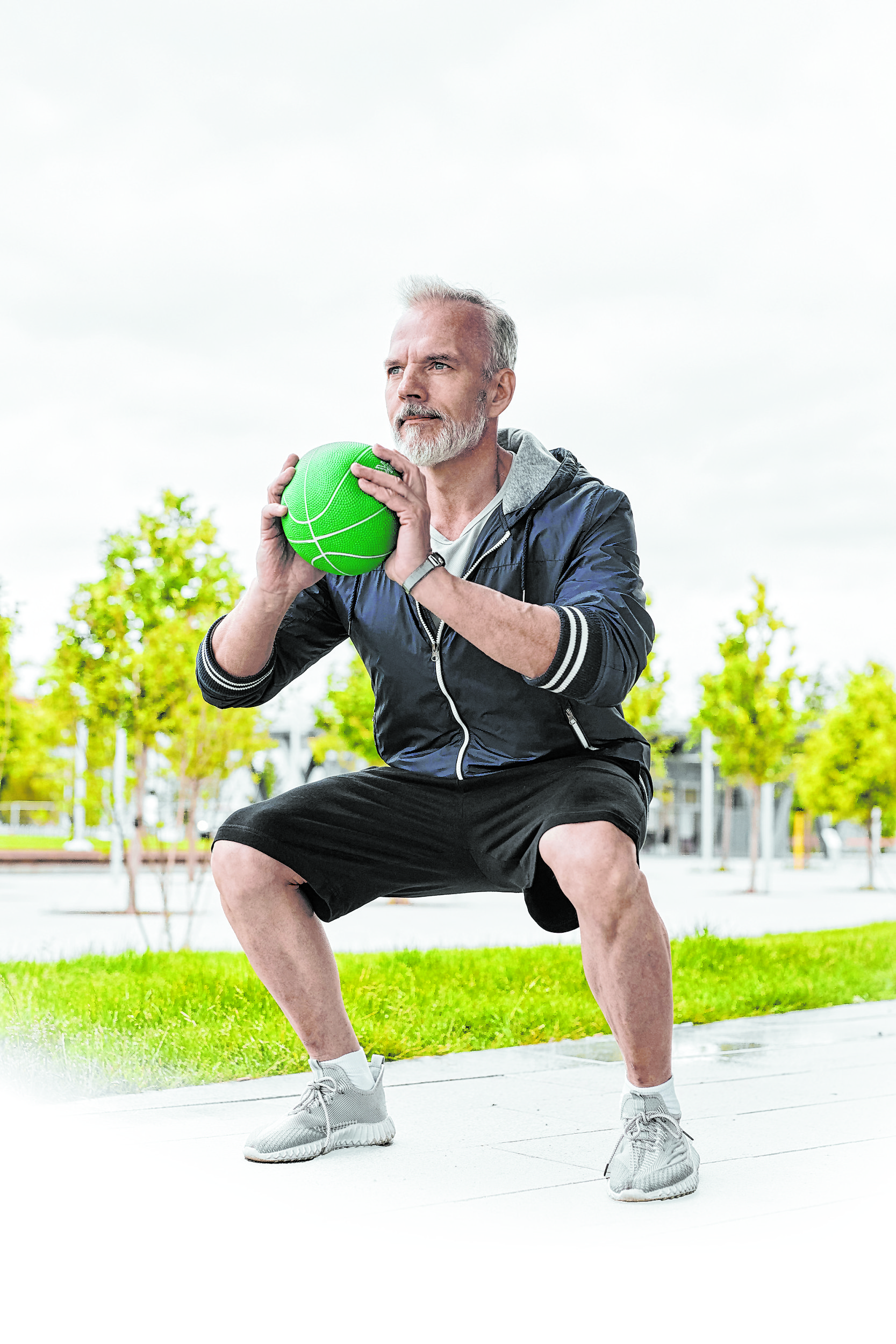
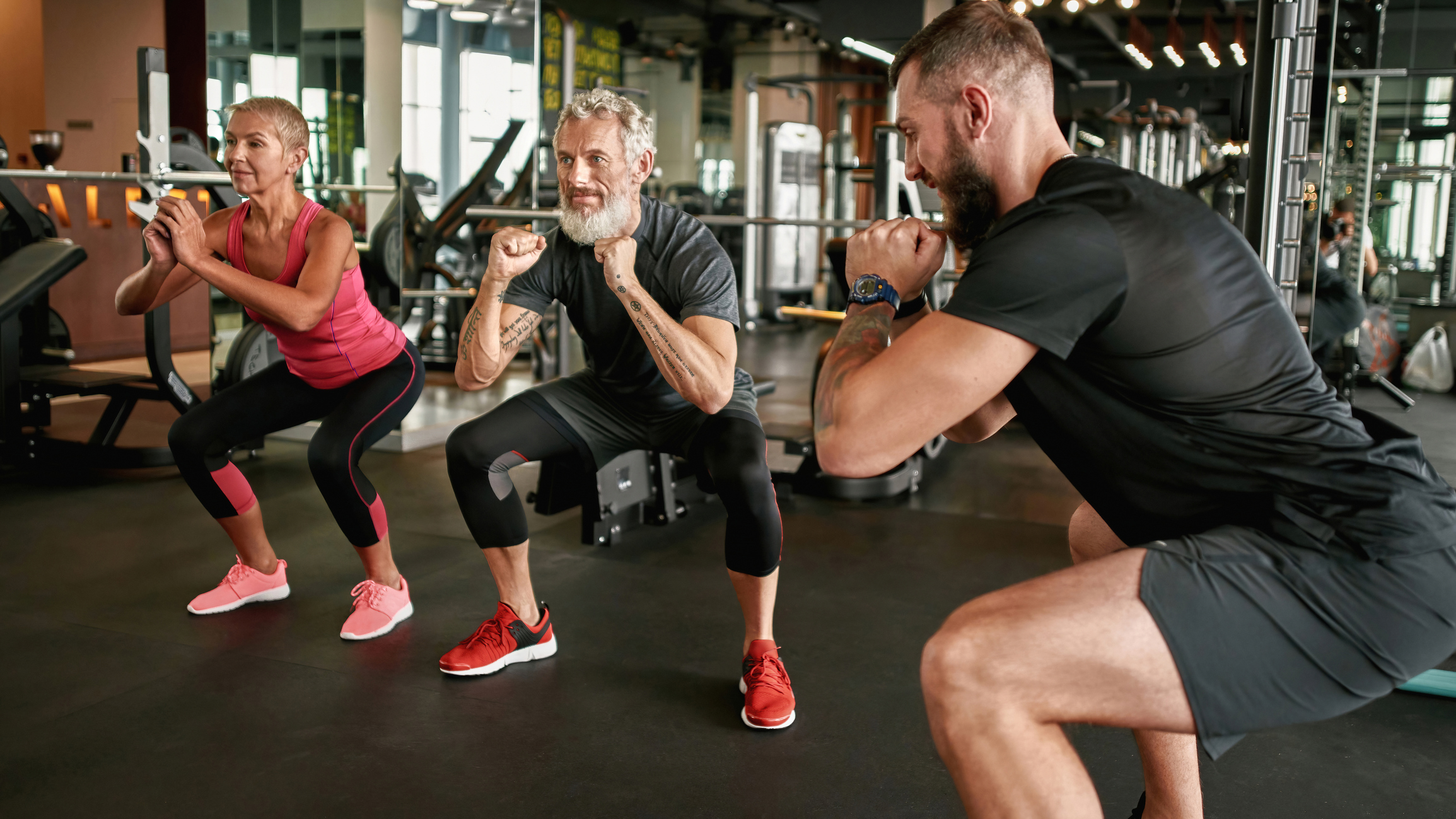
One specific strength exercise that has myriad benefits, all seven experts agree, is squats, which can be done with weights or with body weight, depending on one’s individual health and fitness level. Squats strengthen the entire body with one move, improve joint flexibility (particularly in the hips, knees and ankles) and help keep bones strong.
In one scientific study, regularly doing squats helped older adults preserve the strength needed for everyday activities and physical independence. Doing squats proved to help with hip, knee and ankle flexibility. Another study found that regularly doing squats improved lower-body strength in older adults, which made everyday movements easier.
Ultimate longevity exercise
Doing squats regularly can even add years to your life. “Research suggests that people who engage in any amount of strength training have a lower risk of dying from all causes, including cancer and heart disease, compared with people who don’t strength train at all,” says Dr. Simran Malhotra, the founder of Wellness By LifestyleMD in Maryland.
Dr. Nneoma Oparaji agrees. “Strength training can support longevity by decreasing the risk of premature death, improving metabolic health and preserving the independence for people as they age. This has been demonstrated in research that associated strength training with a lower risk of death,” says Oparaji, a Texas-based doctor of internal medicine.
The research that Oparaji highlights shows strength training helps improve blood pressure, insulin sensitivity and body composition.
Why squats in particular? This one powerful move works the entire body, helping to keep both bones and muscles strong.
“The more bone mineral density you have, the less likely your bones will break during a fall. The more strength you have, the easier it is to go about your daily life and keep independence and increased quality of life,” personal trainer Allison Goldsmith says. This is especially pertinent considering that falls are the leading cause of injury-related death and hospital admissions for adults 65 and older.
How to do a squat safely
Before you start integrating squats into your exercise routine, it’s important to know how to do them correctly and safely. Here are the step-by-step instructions for how to do a squat safely, according to Marilynn Larkin, a certified personal trainer and group fitness instructor based in New York City:
■ Stand with feet about hip-width apart, toes facing forward or slightly turned out. You may want to start near a countertop or wall in case you need it for balance.
■ Push your hips back, as if you are about to sit in a chair. Don’t push into your knees; your knees will bend naturally when you sit back.
■ Lower down only as far as you can while staying in control.
■ Press through both feet to stand, squeezing your glutes as you do so to help keep your core engaged. Remember to breathe. Inhale as you sit back.
■ Return to a standing position, exhaling as you do so.
If you don’t currently do any form of strength training, Goldsmith says to try squats using just your body weight to start. Then, as you get more comfortable, you can incorporate dumbbells or a kettlebell.
“You can hold a dumbbell or kettlebell at your chest or hold one weight in each hand, placing them outside of your hips or in rack position at your shoulders. If you don’t like weights, you can add a resistance band around your thighs. Try 10 to 12 reps for two to four rounds,” she says.
Larkin recommends choosing a weight you can lift with good form for eight to 12 reps. “The last two reps should feel a bit challenging, but doable,” she says. She recommends choosing heavier weights over time, increasing every couple of weeks or so.